Views: 179 Author: Site Editor Publish Time: 2025-09-12 Origin: Site
In the world of plastic injection molding, ejector pins play a vital role in ensuring that molded parts are cleanly and efficiently removed from the mold cavity. These slender, high-strength components are designed to push finished parts out once the molding process is complete. While they are essential for production efficiency, their presence and performance can directly affect the final product quality. A recurring question among mold designers, engineers, and quality control teams is: Can ejector pins cause defects on molded parts? The answer is yes—under certain conditions. Understanding why this happens, how to prevent it, and the implications for production quality is key to avoiding costly rework, scrap, or production delays.
Ejector pins typically operate under high precision and are made from durable materials like SKD-61 tool steel, designed to withstand high temperatures and pressures during molding. However, improper pin selection, placement, or maintenance can result in visible surface marks, dimensional inaccuracies, or even part deformation. These defects not only compromise aesthetics but can also weaken the functional integrity of the molded product. Therefore, knowing how ejector pins interact with the molded part during ejection is critical for achieving consistent, defect-free results.
Ejector pins function as mechanical pushers within an injection mold. After molten plastic is injected and solidifies in the mold cavity, the mold opens, and the pins advance to push the part out. The force must be sufficient to overcome part adhesion without damaging delicate surfaces. The pins retract before the mold closes for the next cycle.
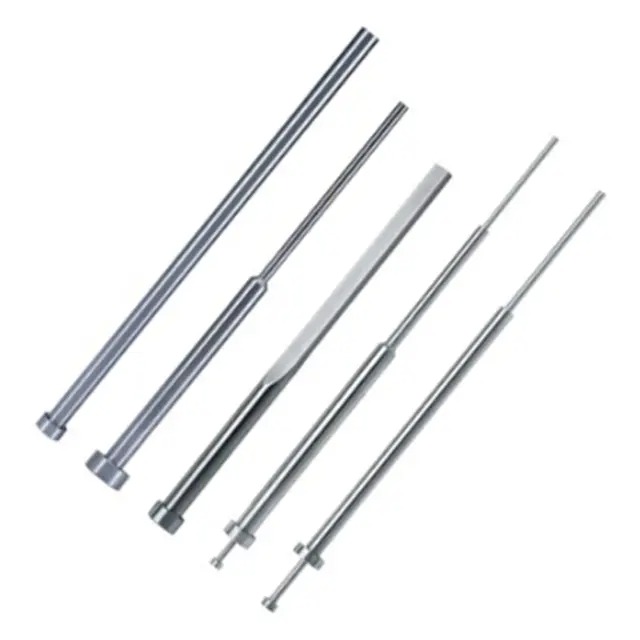
From a mechanical standpoint, ejector pins are driven by an ejector plate and guided by precise alignment features in the mold. Their tips may be flat, domed, or customized to match the geometry of the molded part. The correct shape, size, and placement ensure smooth release while minimizing stress on the part. However, because they make direct contact with the product, even a small misalignment or contamination can leave visible witness marks or dents on the finished piece.
In high-volume production, where molds cycle thousands or millions of times, wear and tear on ejector pins can become a concern. Dull tips, worn surfaces, or build-up of residue can all affect the ejection process, increasing the risk of surface blemishes. Thus, precise manufacturing, regular inspection, and timely replacement of ejector pins are crucial for maintaining consistent quality.
Yes, ejector pins can cause defects—especially if they are improperly designed, placed, or maintained. The most frequent defects include:
Ejector Pin Marks – Small circular or rectangular impressions left on the surface where the pin made contact. While sometimes unavoidable in non-cosmetic areas, they can be unacceptable for visible surfaces.
Sink Marks or Depressions – If the ejector pin applies too much pressure or if the surrounding plastic shrinks unevenly, noticeable sink marks can appear.
Flash Around Pin Marks – Poor sealing between the pin and mold steel can allow molten plastic to seep into the clearance, creating unwanted flash.
Cracks or Stress Whitening – Excessive ejection force can cause localized stress, leading to cracking or visible whitening.
Part Distortion – Improper pin placement can result in uneven force distribution, bending thin sections of the molded part.
These issues can lead to aesthetic rejection or, in more severe cases, functional failure. Understanding the root causes is the first step toward prevention.
Several key factors determine whether ejector pins will cause defects on molded parts:
High-grade materials such as SKD-61 are preferred for their resistance to wear and deformation under high heat and pressure. Using substandard materials can lead to premature wear, uneven contact, and increased defect risk.
Flat, rounded, or customized pin tips should be selected based on the part’s geometry. The wrong tip shape can create unnecessary surface stress, leaving noticeable marks.
Strategic positioning ensures balanced ejection forces. Poor placement can cause warping, bending, or concentrated stress areas.
A polished pin tip reduces friction and sticking, lowering the chance of marks or scratches.
Misalignment between the pin and the cavity surface can result in gouging or denting.
Too much force can damage thin or delicate sections; too little can result in sticking and incomplete ejection.
High temperatures or insufficient cooling can soften plastic at the moment of ejection, making it more prone to deformation.
By controlling these factors, manufacturers can significantly reduce the likelihood of ejector pin-related defects.
To ensure ejector pins do not negatively affect molded parts, manufacturers should implement a preventive strategy:
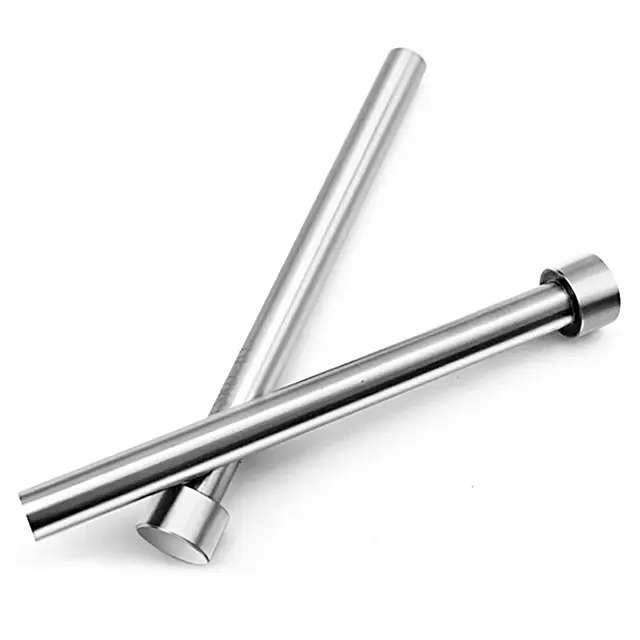
Precision Machining – Use CNC-machined pins with tight tolerances for accurate fit and alignment.
Optimal Placement – Position pins in non-cosmetic areas whenever possible, especially for consumer-facing products.
Regular Maintenance – Inspect pins for wear, contamination, or damage and replace them as needed.
Surface Treatment – Apply coatings or surface polishing to reduce friction and wear.
Controlled Ejection Force – Adjust the ejection system to apply just enough force to release the part without deformation.
Proper Cooling – Ensure parts are adequately cooled before ejection to prevent soft-surface marking.
Design Collaboration – Work closely with mold designers and engineers to optimize pin configuration before production.
The table below summarizes common defects and their solutions:
| Defect Type | Likely Cause | Preventive Measure |
|---|---|---|
| Ejector Pin Marks | Excessive pressure, poor finish | Polish pins, reduce force, relocate to hidden areas |
| Sink Marks | Uneven shrinkage, early ejection | Optimize cooling, adjust ejection timing |
| Flash Around Pins | Clearance gap too large | Improve pin-to-hole fit, inspect for wear |
| Stress Cracks | High localized force | Reduce ejection speed, use larger contact area |
| Part Warping | Unbalanced pin placement | Reposition pins for even force distribution |
Q1: Are ejector pin marks always defects?
Not necessarily. In many cases, slight marks are acceptable if they occur in non-visible areas or do not affect the part’s function. However, for high-aesthetic or cosmetic parts, even minor marks may be considered defects.
Q2: Can ejector pin marks be removed after molding?
Yes, in some cases, sanding or polishing can reduce visibility. However, post-processing increases cost and time, making prevention the better approach.
Q3: How often should ejector pins be replaced?
Replacement frequency depends on production volume, part design, and material abrasiveness. High-wear applications may require replacement after a set number of cycles.
Q4: Do ejector pin defects indicate poor mold design?
Not always. While poor design can be a cause, defects may also result from improper maintenance, incorrect ejection settings, or worn components.
Q5: Are there alternatives to ejector pins for part removal?
Yes, options like air ejection, stripper plates, or vacuum systems exist, but each has its limitations and cost implications.
Ejector pins are an indispensable part of the injection molding process, but their role as direct contact points with molded parts means they carry a risk of causing defects if not properly designed, maintained, and operated. Issues like pin marks, sink marks, flash, and warping are preventable with attention to detail in mold design, pin material selection, and ejection force control. Using high-quality materials such as SKD-61, combined with precision engineering, ensures durability and minimizes the risk of surface damage. By following best practices and collaborating closely with design and manufacturing teams, manufacturers can maximize efficiency, maintain product quality, and keep defect rates low—ensuring that ejector pins remain an asset, not a liability, in the molding process.


